
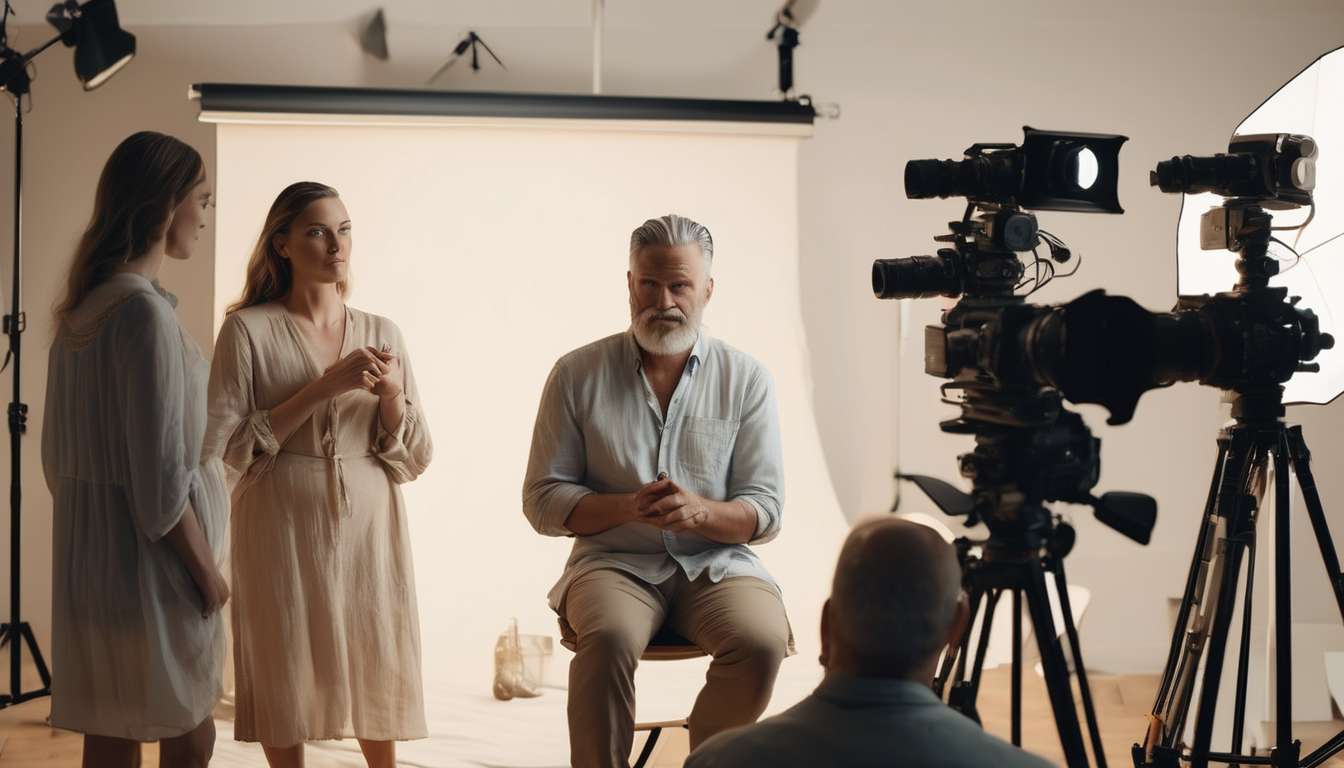
Few photographers know that up to 60% of adult‑subject photo releases omit clear limits on image use.
This gap routinely jeopardizes consent and dignity. Images are shared across platforms and repurposed without context; technical skill is only half our responsibility — ethical practice is the other.
As creators, publishers, and curators, we must establish transparent contracts, respect changing comfort levels, and anticipate downstream circulation that subjects cannot control.
This guide gathers practical standards, legal considerations, and empathetic workflows to help teams produce adult photography that preserves agency and protects privacy.
We will examine informed consent as an ongoing conversation, outline consent language that withstands platform migration, and present decision trees for ambiguous scenarios.
By centering respect over reach, we can prevent harm while maintaining creative integrity. Our aim is not to stifle expression but to align visual storytelling with accountable, person‑centered practice.
Consent Principles
Clear, informed consent from every adult depicted is required before we create, publish, or share any photographs.
We make consent a collaborative process.
- We explain intent, uses, and retention so people feel respected and included.
- We invite questions so everyone can opt in confidently.
Consent is documented with straightforward forms.
- Forms outline scope, duration, and distribution.
- Records of consent are retained responsibly.
We clarify and honor model boundaries without exception.
- We specify acceptable poses, clothing, contexts, and edits.
- We train our team to listen to and enforce those limits.
We implement privacy safeguards.
- Limited access and secure storage of files.
- Anonymization options when appropriate.
- Contributors will be notified if plans change.
Consent is an ongoing, living agreement.
- Contributors can update or withdraw consent at any time.
- We encourage ongoing dialogue to maintain trust.
By centering consent forms, model boundaries, and privacy safeguards, we build trust and a sense of belonging for everyone involved.
Drafting Releases
When we draft releases, we make them simple, specific, and legally clear.
- We ensure contributors know exactly what rights they’re granting, for how long, and under what conditions.
We write consent forms in plain language.
- Plain-language sections outline usage, duration, and any compensation, so everyone feels included and respected.
- Forms name the parties, describe the images and contexts of use, and specify whether edits, distribution, or third-party licensing are allowed.
We include clear withdrawal and revocation clauses.
- Clauses explain withdrawal procedures and realistic limits to revoke consent, reinforcing trust while balancing legal realities.
We reference model boundaries and privacy safeguards.
- We reference model boundaries without detailing enforcement in the template.
- We insert explicit privacy safeguards about storage, access, and data retention.
We design forms for clarity and informed consent.
- Use checkboxes and initial lines for key permissions.
- Offer a short verbal briefing to accompany signed forms so contributors can ask questions.
We keep templates adaptable and securely tracked.
- Templates are adaptable to cultural and legal contexts.
- We document versions and signatures securely.
Purpose: These practices ensure releases protect contributors, creators, and the communities we serve.
Model Boundaries
We clearly define what subjects, poses, and interactions are off-limits so contributors and creators share the same expectations.
We outline model boundaries in plain terms, listing specific actions, angles, and contextual uses that are unacceptable.
We make consent forms central:
- They record agreed limits, duration, and permitted edits.
- We circulate them before any session.
We encourage open dialogue so every participant feels heard, and we update agreements if comfort changes mid-shoot.
We set clear procedures for addressing boundary concerns:
- Pause the shoot.
- Reconfirm consent forms.
- Adapt the work or stop the session as needed.
We assign a trusted point person on set to advocate for models and enforce agreed limits, ensuring decisions aren’t left to chance.
We document any deviations and secure written amendments.
We create an inclusive environment where people belong and trust that their lines will be respected.
We commit to ongoing review of our practices, learning from feedback to strengthen model boundaries and the dignity of everyone involved, while recognizing related privacy safeguards separately.
Privacy Safeguards
We prioritize strict controls over who can access images and data.
- We log, limit, and regularly review permissions to protect subjects’ privacy.
- We tie access rights to the scope each individual agreed to, and we revoke or adjust permissions promptly when requests change.
We make sure consent forms are explicit about storage, sharing, and retention.
- Consent forms clearly state how data will be stored, who may access it, how it may be shared, and how long it will be retained.
- We use simple checklists to verify that consent forms match intended uses before publication.
We adopt technical and operational privacy safeguards.
- Encrypted storage.
- Role-based access controls.
- Detailed audit trails that show who viewed or exported content.
We train teams to treat privacy as a shared value.
- Training includes using checklists and following procedures for handling consent and data access.
- Teams are instructed to respond quickly and respectfully to requests to update preferences or withdraw consent.
We create clear pathways for models to update preferences or withdraw consent.
- Procedures allow models to change permissions or request deletion/limited use.
- Requests are handled promptly and respectfully, with access adjusted or revoked as needed.
We combine transparent policies with consistent enforcement to build trust.
- Contributors are informed and feel secure because policies are clear and consistently applied.
Platform Portability
We will make it easy for subjects to move their images and permissions between platforms without losing control or historical records.
We will provide clear export tools that bundle consent forms, timestamps, and provenance metadata so people keep ownership and context.
We will honor model boundaries by letting subjects select what travels with an image — full, redacted, or anonymized files — and we will ensure choices persist when content is reposted elsewhere.
We will standardize formats and APIs so community members can carry their history without technical barriers.
We will document steps in plain language so everyone feels confident.
We will require partner platforms to respect embedded privacy safeguards and to accept portable revocations when a subject withdraws permission.
We will maintain logs that show where images went and which version was shared, supporting accountability and shared trust.
We will support community needs for belonging by making portability equitable, easy to use, and protective of consent forms, model boundaries, and ongoing privacy safeguards.
Sensitive Contexts
When subjects face sensitive contexts — like trauma, sex work, medical treatment, or legal exposure — we treat permissions as dynamic, require extra verification, and apply stricter access controls.
We commit to clear consent forms that:
- Spell out intended uses.
- Specify duration of use.
- Explain withdrawal processes.
We revisit permissions whenever circumstances change.
We honor model boundaries by:
- Checking in before shoots.
- Providing pause options during sessions.
- Documenting limits in writing.
We create belonging by:
- Making space for questions.
- Offering advocates or third-party witnesses.
- Communicating in plain, respectful language.
We implement layered privacy safeguards:
- Encrypted storage.
- Limited access lists.
- Redaction options for identifiers.
We ensure informed consent is an ongoing dialogue, not a one-time checkbox, and we train teams to recognize power imbalances and emotional risk.
If someone withdraws consent or adjusts boundaries, we act promptly to:
- Restrict distribution.
- Archive material safely.
We balance transparency with compassion so participants feel seen, protected, and included throughout the photographic process.
Conflict Resolution
When conflicts arise, we address them promptly with a clear, fair process that prioritizes the participant’s safety and the integrity of the work.
We listen openly to everyone involved, validate concerns, and separate emotional response from facts so we can resolve issues collaboratively.
We revisit consent forms to confirm agreed terms and ensure model boundaries were respected.
- If documentation is unclear, we work with all parties to clarify intent and restore trust.
We enforce privacy safeguards immediately when confidentiality is threatened.
- Distribution is halted until the situation is resolved.
We offer mediation, corrective actions, or restitution where appropriate, and we include neutral witnesses to maintain transparency.
We make decisions that center dignity and inclusion, recognizing that belonging depends on predictable, respectful responses.
We provide clear channels for reporting, timelines for resolution, and follow-up to confirm satisfaction with outcomes.
Where patterns of misconduct emerge, we escalate to stronger measures to protect the community and uphold the ethical standards we all rely on.
Recordkeeping Practices
We keep detailed, secure records of shoot agreements, revisions, and incident reports so we can verify decisions, protect participants, and ensure accountability.
What we store
- Signed consent forms.
- Notes on model boundaries.
- Any changes to usage rights.
- Written summaries of verbal agreements created immediately after conversations.
- Timestamps of edits and notes of who approved them.
How records are organized and protected
- Role-based permissions to limit access.
- Encryption of sensitive files.
- Access and modification logs that record who viewed or changed documents.
Retention and deletion
- Regular reviews of records retention schedules.
- Secure deletion of files when legal and ethical obligations end.
Transparency and participant inclusion
- Clear, accessible summaries for team members and participants explaining:
- What is kept.
- Why it is kept.
- How long it will be retained.
Incident response and accountability
- A documented trail that enables fair, timely responses centered on participant safety and communal responsibility.
- Preservation of evidence for any necessary follow-up.
How should I handle situations where a model requests to remove their images from third-party websites I don’t control after the shoot?
When a model asks us to remove their images from third-party sites we don’t control, we acknowledge their concern and act collaboratively.
We document the request and explain our limited control.
We offer concrete help, which may include:
- Drafting takedown requests the model can send.
- Contacting site administrators on the model’s behalf when possible.
- Using DMCA takedown procedures or platform-specific reporting tools.
We respect the model’s privacy and consider updates to our release terms if needed.
We follow up until the model feels we’ve done our best to support their wishes.
What are best practices for compensating models fairly when images are later licensed for commercial uses not anticipated in the original shoot?
We should treat this as a shared responsibility.
Review original agreements, confirm what rights were granted, and identify gaps that need addressing for new commercial uses.
Notify models about new commercial uses and obtain consent before proceeding.
Offer fair additional pay or a revenue share to compensate models for uses beyond the original agreement.
Use clear, simple contracts that include:
- Buyout tiers (different payment levels for different scopes of use)
- Duration limits (fixed timeframes for the granted rights)
- Territory specifics (where the license applies)
Prioritize transparent communication, explain proposed uses clearly, and secure consent for unforeseen or materially different uses.
Ensure prompt payment whenever additional compensation is due.
Respect refusals: when models decline, withdraw the images from new licensing opportunities and do not press further.
Are there standardized visual cues or on-set signage I can use to remind everyone when photography is happening and what behaviors are expected?
Question: Are there standardized cues or on-set signs to remind everyone when photography’s happening and what’s expected?
Answer: Yes. We use clear, visible signage (e.g., “Photo/Video in Progress”), wearable identifiers for crew, and colored lights or flags to signal rolling.
On-set expectations and reminders:
- Posted code of conduct: A concise code of conduct is posted near entry points outlining behavior, privacy expectations, and any restrictions.
- Pre-take callouts: Crew make verbal callouts before takes to announce when recording will start.
- Gentle reminders: Team members provide polite, brief reminders to maintain awareness and compliance during shoots.
- Encouragement to speak up: Everyone is encouraged to request a pause or clarification at any time.
Purpose: These measures ensure safety, privacy, and clear communication so everyone knows when photography is occurring and what’s expected.
Conclusion
You’ve learned core visual ethics for adult photography: get clear, documented consent; draft releases that reflect limits; respect model boundaries; secure private data; plan for platform portability; treat sensitive contexts with extra care; and resolve conflicts promptly and fairly.
Keep organized records so you can prove compliance and protect everyone involved.
Follow these practices consistently:
- Stay open to feedback.
- Prioritize dignity and safety.
Why this matters: these habits keep your work ethical, professional, and sustainable.